Professional Tire Maintenance: Get Back Driving With Safety and Haste
Skilled tire restoration serve an essential function in safeguarding vehicle security and performance. Experienced professionals undertake complete inspections to discover assorted tire difficulties. From punctures to alignment complications, each issue warrants careful focus. Knowing when to turn to professional guidance can prevent ensuing troubles. As drivers confront these hurdles, they may contemplate the most suitable service options and maintenance standards. Investigating these areas can facilitate informed decisions and safer experiences down the road.
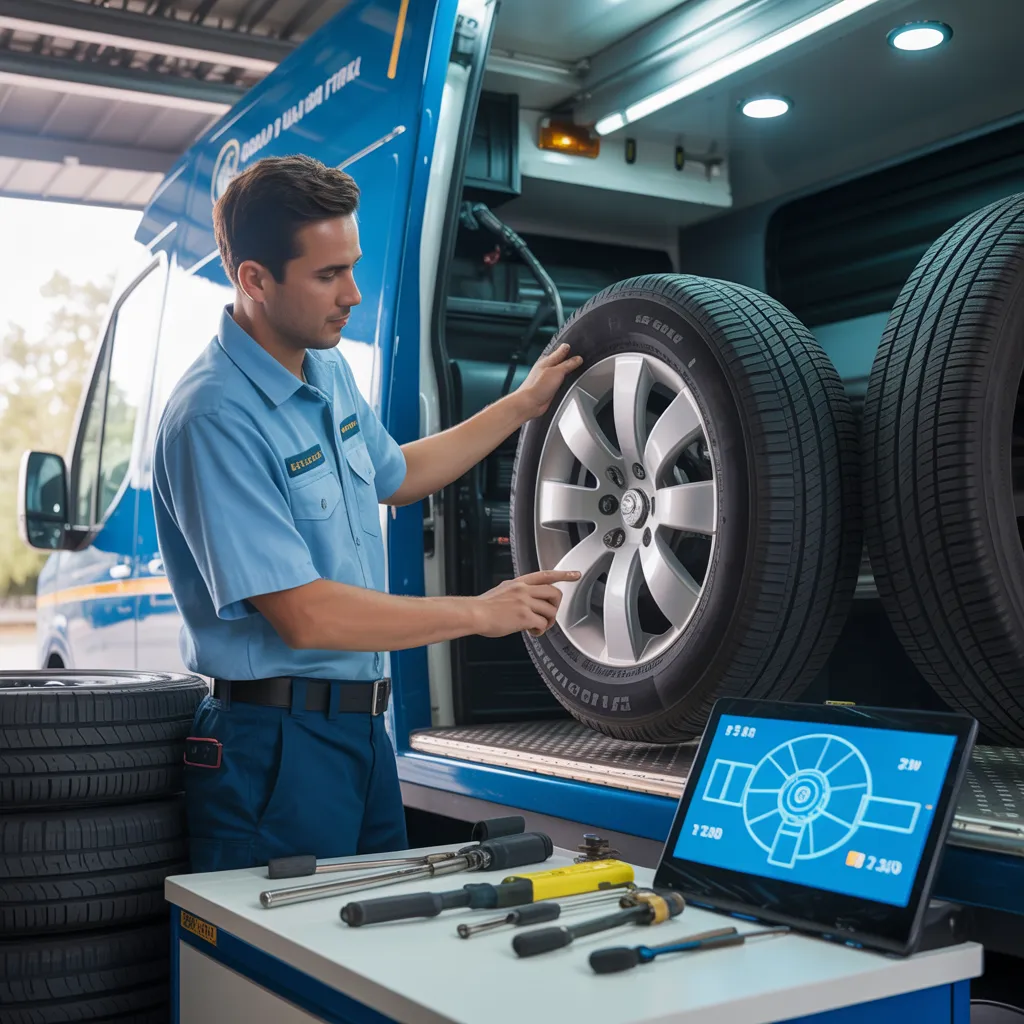
Regular Tire Concerns to Be Aware Of
When motorists fail to check their tires, they may experience several typical problems that can affect safety and performance. One common problem is underinflation, which can cause increased tire wear and decreased fuel efficiency. Over time, this can lead to the tires to overheat, raising the risk of a blowout. Another common problem is tread wear, which affects traction and handling, particularly in wet conditions. Uneven wear may indicate alignment or suspension issues, requiring further inspection. Additionally, drivers may encounter punctures or sidewall damage from road hazards, leading to slow leaks or complete tire failure. Routine tire maintenance including rotations and inspections with correct inflation are critical for preventing these issues. Finally, environmental conditions can also contribute to tire degradation, making it important for drivers to monitor their tire health. By recognizing these common problems, drivers can improve their safety on the road.
When to Recognize About Getting Tire Repairs: A Guide?
Spotting the signs that tire restoration are necessary is essential for maintaining vehicle well-being and performance. Drivers should be vigilant for specific signals that suggest tire issues. Unbalanced degradation arrangements on the tread, as an example, may indicate alignment problems or low inflation. In addition, apparent deterioration, such as slits, bulges, or punctures, typically requires rapid attention. An abrupt decrease of air tension or regular requirement for inflation also reveals that restoration may be critical.
Motorists should carefully watch handling and performance changes, such as shudders or pulling to one side, which could denote tire imbalances or internal damage. Lastly, regularly assessing tread depth is vital; tires with worn or bald spots reduce traction. By observing these signs, drivers can assure timely repairs, enhancing both safety and vehicle lifespan. Quickly addressing these issues not only precludes potential accidents but also reduces more costly repairs later.
What to Anticipate During the Tire Repair Process
The tire repair method typically involves several essential steps to assure safety and productivity. First, a technician inspects the tire for visible damage and assesses its overall condition. This assessment helps determine whether the tire can be repaired or needs replacement. Following the inspection, the technician may take off the tire from the wheel to uncover punctures or internal damage.
Once any problems are located, the technician cleans the affected section and readies it for repair. This may involve installing a seal or insert, based on the type and location of the damage. After the fix is completed, the tire is reinstalled and properly filled to the manufacturer's requirements.
Finally, a quality assessment confirms that the repair meets safety guidelines. Throughout the process, technicians prioritize communication, informing the customer of observations and advice. This structured approach assures a reliable repair, permitting vehicle operators to go back to the road with peace of mind.
Self-Service Tire Options in Contrast to Professional Help
Upon learning the tire repair procedure, many motorists may consider whether to tackle repairs independently or get professional support. DIY tire fixes can be attractive, notably for those with basic technical expertise and tools. Easy punctures can often be mended using repair kits found at auto supply stores, saving both time and money. However, this strategy involves risks if proper procedures are not followed, potentially creating additional damage or protection hazards.
Conversely, expert tire repair providers provide expertise and advanced tools. Skilled professionals can accurately assess tire deterioration, guaranteeing repairs are effective and safe. They can also identify underlying issues that a do-it-yourself method might miss. In the end, the decision regarding DIY repairs versus professional assistance depends on the driver's confidence, experience, and the severity of the tire damage. Creating a well-reasoned choice is essential for ensuring safety on the road.
Steps for Choosing the Superior Tire Repair Service
How can motorists guarantee they select the best tire maintenance service? First, they should investigate nearby options, examining customer reviews and ratings. This information provides insight into the service quality and dependability of various shops. Next, checking for credentials and affiliations with established automotive organizations can demonstrate professionalism and professionalism.
Also, motorists should question the service offerings offered, making certain the establishment can address their particular tire concerns. Transparent pricing practices is also essential; reputable shops provide clear estimates without concealed fees.
Furthermore, reviewing the shop's coverage terms on maintenance can provide peace of mind. Finally, accessibility is important—proximity to home or work, as well as available hours, can affect the choice. By taking into account these elements, vehicle owners can confidently choose a tire repair service that fulfills their needs effectively.
Importance of Regular Tire Service
Regular tire maintenance provides many advantages that extend the lifespan and output of tires. By regularly inspecting tire air pressure, tread wear, and general state, vehicle owners can ensure optimal grip and control. Correct air pressure reduces wear, enhancing fuel efficiency and saving money at the pump. In addition, routine checks can help detect issues such as uneven wear or harm, enabling for prompt fixes that avoid greater issues down the road.
Taking care of tires additionally improves safety by reducing the likelihood of tire blowouts or accidents caused by insufficient tread. Additionally, a properly kept set of tires ensures a smoother ride, boosting comfort for the driver and passengers. By investing time in regular tire care, individuals can optimize the value of their investment, securing reliable performance and peace of mind while driving. Ultimately, regular tire maintenance is an essential aspect of responsible vehicle ownership.
Advice on Preventing Future Tire Problems
Implementing a preventative approach to tire care can substantially reduce the likelihood of potential problems. Frequently checking tire pressure is vital; insufficient pressure can lead to premature wear and reduced fuel efficiency. It is prudent to check tires for visible deterioration, such as cuts or bulges, which may reveal structural defects. Rotating tires every 5,000 to 8,000 miles helps assure consistent wear, extending their lifespan.
Additionally, maintaining proper alignment and balancing is critical to prevent uneven tread wear. Drivers should also check tread depth, employing the penny test as a simple method; if Lincoln's head is visible, it's time for a new tire. Finally, avoiding overloading the vehicle can reduce excessive strain on tires. By applying these methods, vehicle owners can enhance tire longevity and promote a safer driving experience.

Often Requested Questions
What duration is needed for a common tire repair?
A typical tire repair usually requires between 30 get started minutes to an hour determined by the amount of damage and the specific repair required. Factors like technician availability and shop busyness can also modify the timeframe.
Do All Tire Styles Permit Restoration?
All tire types cannot necessarily be restored. In general, punctures in the tread of passenger tires may be repairable, but sidewall damage, severe wear, or tires with various prior repairs frequently necessitate replacement to ensure safety.
How Much Does Tire Repair Cost?
The price of tire repairs usually falls from $10 to $30, based on the damage and location. Factors such as tire kind and repair shop may affect the final cost, making it variable.
Is Tire Repair Protected by Your Insurance Policy?
Tire repair protection differs depending on which insurance plan you have. Certain policies include on-road help or repair expenses, but some do not cover these benefits. It's essential for individuals to look over their individual coverage terms to understand their coverage for tire fixes.
What Methods Can Allow Me to Increase My Tire's Lifespan?
To increase a tire's life expectancy, standard care is essential. This consists of preserving optimal tire pressure, rotating tires frequently, ensuring proper alignment, limiting excess cargo, and monitoring tread depth for signs of wear or damage.